

Gourmet Cooking at Home: Techniques That Make the Difference

Cooking gourmet food at home does not require expensive ingredients, complicated equipment, or an enormous kitchen. It begins with understanding technique—how heat changes an ingredient, when seasoning should be added, and how flavor, texture, and presentation work together.
As a classically trained chef, I have learned that the difference between an ordinary meal and a memorable one is often a small detail performed correctly. A properly heated pan, a balanced sauce, or a final touch of acidity can completely transform a dish.
Here are several essential techniques that can help you create more polished, flavorful meals in your own kitchen.
Essential Gourmet Cooking Techniques
Professional cooking depends less on complicated recipes than it does on mastering a collection of reliable techniques. Searing, deglazing, emulsifying, roasting, and layering flavors are among the most useful skills a home cook can develop.
Searing
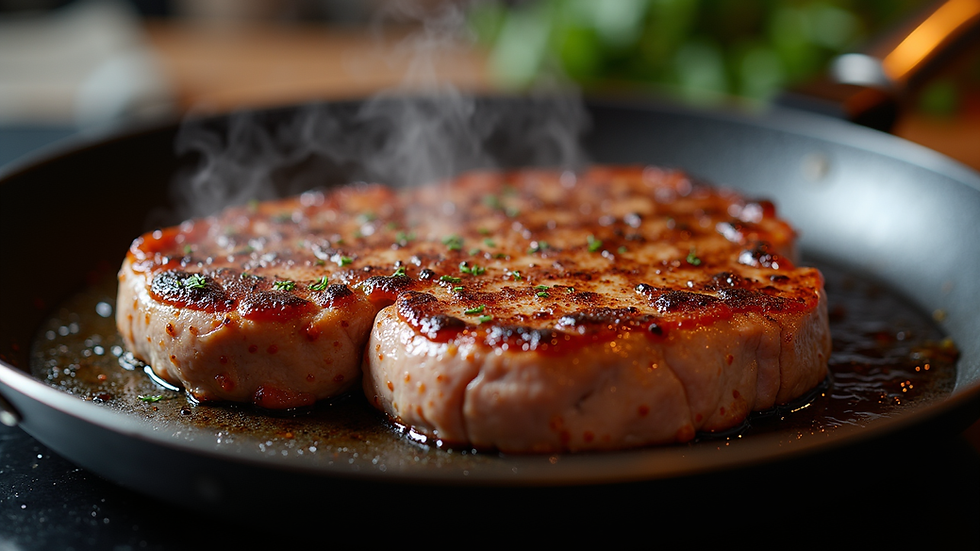
Searing meat, poultry, or seafood in a properly heated pan creates a flavorful browned crust through the Maillard reaction. Contrary to a familiar kitchen myth, searing does not “lock in” juices. Its purpose is to develop color, aroma, texture, and deeper flavor.
Pat the food dry before placing it in the pan, use enough heat, and avoid moving it too soon. When it releases naturally and has developed a rich brown surface, it is ready to turn.
Deglazing
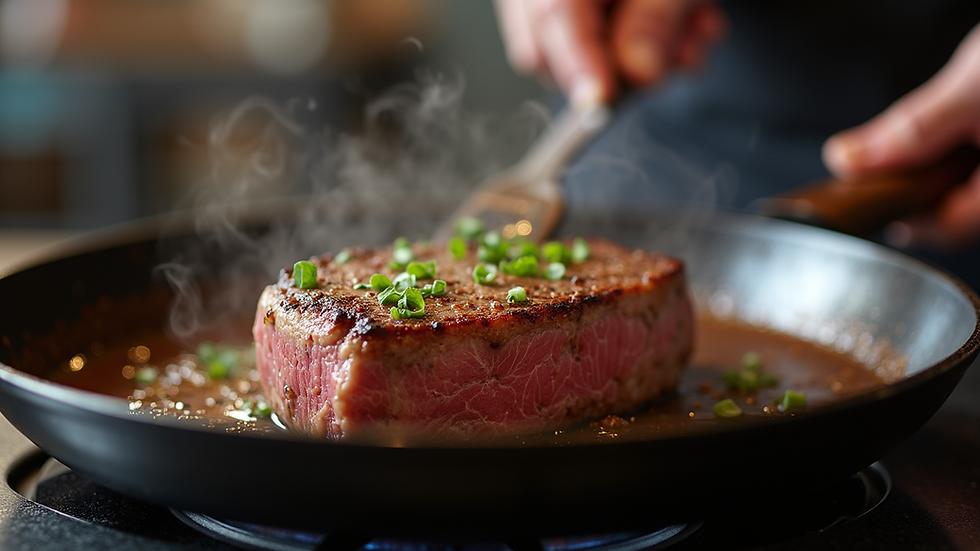
After searing, the caramelized brown bits remaining in the pan are packed with flavor. Deglazing with wine, stock, or another suitable liquid loosens those bits and creates the foundation for a pan sauce.
Scrape the bottom gently as the liquid simmers, then reduce it to concentrate the flavor. Finish with butter, cream, mustard, herbs, or another ingredient appropriate for the dish.
Emulsifying
An emulsion combines ingredients that normally resist mixing, such as oil and vinegar or butter and water. Vinaigrettes, hollandaise, mayonnaise, and many pan sauces depend on this technique.
Add the fat gradually while whisking or blending steadily. Temperature also matters: excessive heat can cause a butter-based sauce to separate.
Controlled Cooking
Whether roasting, poaching, braising, or using sous vide, temperature control is essential. A reliable thermometer removes much of the guesswork and helps prevent proteins from becoming dry or overcooked.
How to Begin Cooking Gourmet Food at Home
Gourmet cooking becomes far less intimidating when you approach it one skill at a time.
1. Use dependable tools
A sharp chef’s knife, a heavy-bottomed skillet, a sturdy cutting board, and an accurate instant-read thermometer will accomplish far more than a cabinet filled with unnecessary gadgets.
Good equipment does not replace technique, but it makes good technique easier to repeat.
2. Understand your ingredients
Learn what is in season, how different cuts of meat respond to heat, and when fresh herbs should be added. Delicate herbs such as parsley and basil are generally best near the end of cooking, while sturdier herbs such as rosemary and thyme can withstand longer cooking.
3. Master the foundations
Practice roasting vegetables evenly, cooking pasta correctly, preparing stock, and making a simple pan sauce. These foundational abilities appear in countless more advanced dishes.
4. Follow the recipe—then make it yours
A trusted recipe provides structure. Once you understand why the method works, you can adjust seasoning, acidity, herbs, and accompaniments to suit your taste.
Do not change five things at once. Make one thoughtful adjustment and observe the result.
5. Be patient
Professional-looking food is usually the result of preparation and timing, not rushing. Read the entire recipe, prepare your ingredients before cooking, and give each step the attention it deserves.
The Art of Layering Flavor
One of the secrets of gourmet cooking is developing flavor throughout the process instead of attempting to correct everything at the end.
Season proteins appropriately before cooking. Sauté aromatics such as onions, shallots, garlic, or ginger to create a flavorful base. Allow vegetables to roast or caramelize so their natural sweetness develops.
Taste as you cook. Salt enhances flavor, fat carries flavor, and acidity provides balance. A rich dish may need only a squeeze of lemon or a small splash of vinegar to become brighter and more complete.
Fresh herbs are often most effective near the end, where their color and aroma remain vivid.
Texture is another layer. A creamy risotto becomes more interesting with toasted nuts, crisp vegetables, or a delicate garnish. Tender meat can benefit from a crisp crust, while a smooth purée may need a contrasting element.
The goal is not to add more ingredients. It is to make every ingredient serve a purpose.
Elevating Your Presentation
Food is tasted first with the eyes, but good plating does not need to be elaborate.
Use white or neutral plates when you want the colors of the food to stand out.
Select a plate that gives the food enough room without making the portion appear lost.
Create height naturally rather than piling food into an unstable tower.
Use sauces deliberately instead of covering the entire plate.
Add garnishes only when they complement the flavor of the dish.
Wipe the rim before serving.
Most importantly, keep the plate focused. The diner should immediately understand which element is the star.
Bringing It All Together
Mastering gourmet cooking at home is an ongoing process of observation, practice, and discovery. Begin with sound fundamentals, learn how ingredients react to heat, and pay attention to balance and presentation.
Mistakes are part of becoming a better cook. Even experienced chefs continue adjusting, learning, and occasionally rescuing something that did not behave as expected.
Your kitchen is where technique and creativity meet. Sharpen your knife, heat the pan properly, and take the next dish one thoughtful step at a time.
Explore more recipes, professional techniques, and useful kitchen tools at Bluejgourmet.
Happy cooking!
—Chef John T.

Comments