

Mastering Home Gourmet Cooking Skills from Your Kitchen

Cooking gourmet meals at home might sound like a dream reserved for professional chefs or those with fancy restaurant kitchens. But the truth is, with the right approach and mindset, anyone can elevate their cooking to gourmet levels right in their own kitchen. I’ve found that mastering home gourmet cooking skills is not just about fancy ingredients or complicated techniques. It’s about understanding flavors, practicing simple methods, and embracing creativity. Let me take you on a journey to transform your everyday cooking into something truly special.
Why Developing Home Gourmet Cooking Skills Matters
When I first started cooking, I was overwhelmed by the idea of gourmet food. It seemed so intricate and out of reach. But as I practiced, I realized that gourmet cooking is more about attention to detail and quality than complexity. Developing home gourmet cooking skills means you can:
Impress family and friends with restaurant-quality meals.
Enjoy healthier, fresher food made from scratch.
Save money by cooking at home instead of dining out.
Explore global flavors and expand your culinary horizons.
One of the best parts is that you don’t need a professional kitchen or expensive gadgets. Just a few essential tools and a willingness to learn can make a huge difference. I encourage you to start with the basics and build your confidence step by step.

Essential Techniques to Master for Gourmet Cooking
Mastering home gourmet cooking skills involves learning a handful of fundamental techniques that form the backbone of many dishes. Here are some key skills I recommend focusing on:
1. Knife Skills
A sharp knife and proper cutting techniques can transform your cooking experience. Practice slicing, dicing, and julienning vegetables evenly. This not only improves presentation but also ensures even cooking.
2. Searing and Browning
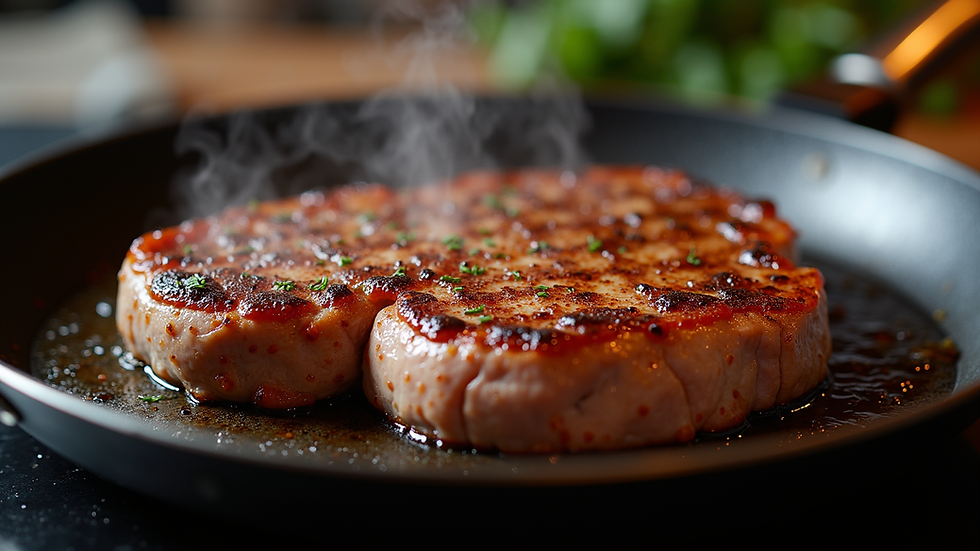
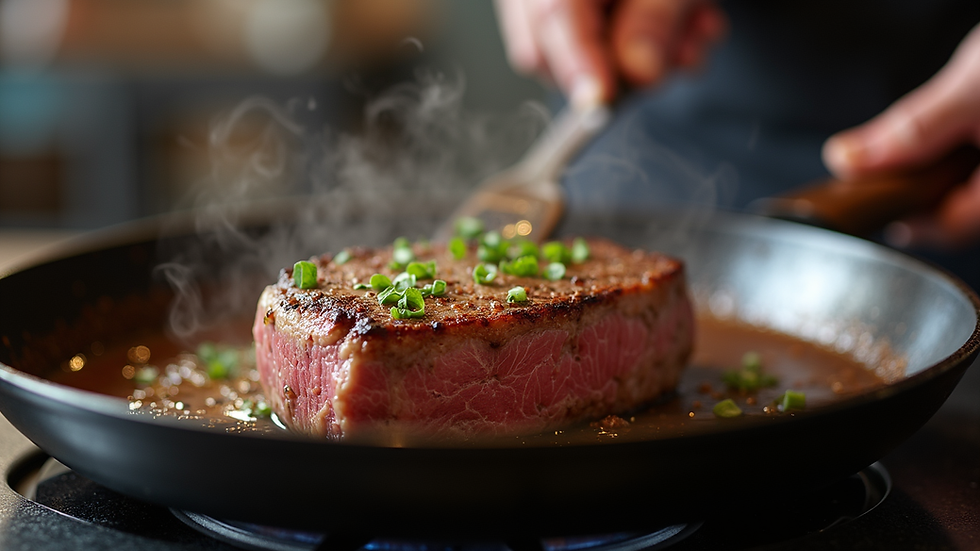
Achieving a perfect sear on meats or vegetables adds flavor and texture. Use a hot pan and avoid overcrowding to get that beautiful caramelized crust.
3. Sauces and Stocks
Sauces can elevate a simple dish to gourmet status. Start with basic sauces like béchamel, velouté, or pan sauces made from drippings. Homemade stocks add depth to soups and stews.
4. Balancing Flavors
Gourmet cooking is all about balance. Learn to taste and adjust seasoning with salt, acid (like lemon or vinegar), sweetness, and bitterness to create harmony in your dishes.
5. Plating and Presentation
We eat with our eyes first. Simple plating techniques like using contrasting colors, garnishing with fresh herbs, and arranging food thoughtfully can make your meals look as good as they taste.
By focusing on these techniques, you’ll build a strong foundation that allows you to experiment confidently with recipes and ingredients.
Building a Gourmet Pantry at Home
One of the secrets to mastering home gourmet cooking skills is having a well-stocked pantry. This doesn’t mean buying every exotic ingredient you see but rather curating essentials that allow you to whip up gourmet dishes anytime.
Here’s a list of pantry staples I always keep on hand:
High-quality olive oil and butter for cooking and finishing dishes.
Variety of salts (kosher, sea salt, flaky) to season perfectly.
Fresh and dried herbs like thyme, rosemary, basil, and oregano.
Spices such as smoked paprika, cumin, coriander, and black pepper.
Vinegars including balsamic, red wine, and apple cider for acidity.
Stocks and broths (homemade or store-bought) for soups and sauces.
Specialty grains and pasta like arborio rice, quinoa, and artisanal pasta.
Canned goods such as tomatoes, beans, and coconut milk for versatility.
Having these ingredients ready means you can experiment with global flavors and create complex dishes without last-minute trips to the store.

How to Learn Gourmet Cooking at Home
If you’re eager to dive deeper and truly learn gourmet cooking at home, there are many resources and strategies to help you grow. I found that combining hands-on practice with learning from trusted sources makes the process enjoyable and effective.
Follow trusted cooking blogs and YouTube channels that focus on gourmet recipes and techniques.
Invest time in cooking classes or workshops, either in-person or online, to get guided instruction.
Experiment with recipes from different cuisines to broaden your flavor palette.
Keep a cooking journal to note what works, what doesn’t, and ideas for future dishes.
Practice plating and presentation by photographing your meals and refining your style.
Remember, patience is key. Gourmet cooking is a skill developed over time, and every mistake is a step closer to mastery.
Elevate Everyday Meals with Simple Gourmet Touches
You don’t need to cook a multi-course meal to enjoy gourmet cooking. Even simple dishes can be transformed with a few thoughtful touches. Here are some ideas I love to use:
Add fresh herbs or microgreens as a garnish to brighten flavors and add color.
Use compound butters (butter mixed with herbs, garlic, or citrus zest) to finish meats and vegetables.
Toast nuts or seeds before adding them to salads or dishes for extra crunch and flavor.
Make your own salad dressings with quality oils, vinegars, and a touch of mustard or honey.
Experiment with plating by using different plates, stacking ingredients, or adding edible flowers.
These small details make a big difference and bring a sense of occasion to everyday meals.
Your Journey to Gourmet Cooking Starts Now
Mastering home gourmet cooking skills is a rewarding adventure that opens up a world of flavors and creativity. With a few essential techniques, a well-stocked pantry, and a willingness to explore, you can create meals that delight both the eyes and the palate. I hope this guide inspires you to take that first step and enjoy the process of cooking gourmet food right from your kitchen.
Remember, every great chef started somewhere, and your kitchen is the perfect place to begin. Happy cooking!

Comments